
7 Things to Check Before You Buy Organic Vegetables Online
In 2026, the convenience of having fresh produce delivered to your doorstep is unmatched. However, as the demand for clean eating has skyrocketed, so has the presence of “greenwashing”—where products are marketed as natural without meeting the rigorous standards of true organic farming.
Not all “organic” labels are created equal. To ensure you are getting the best for your family’s vitality and health, keep this 7-point checklist handy before you hit “checkout.”
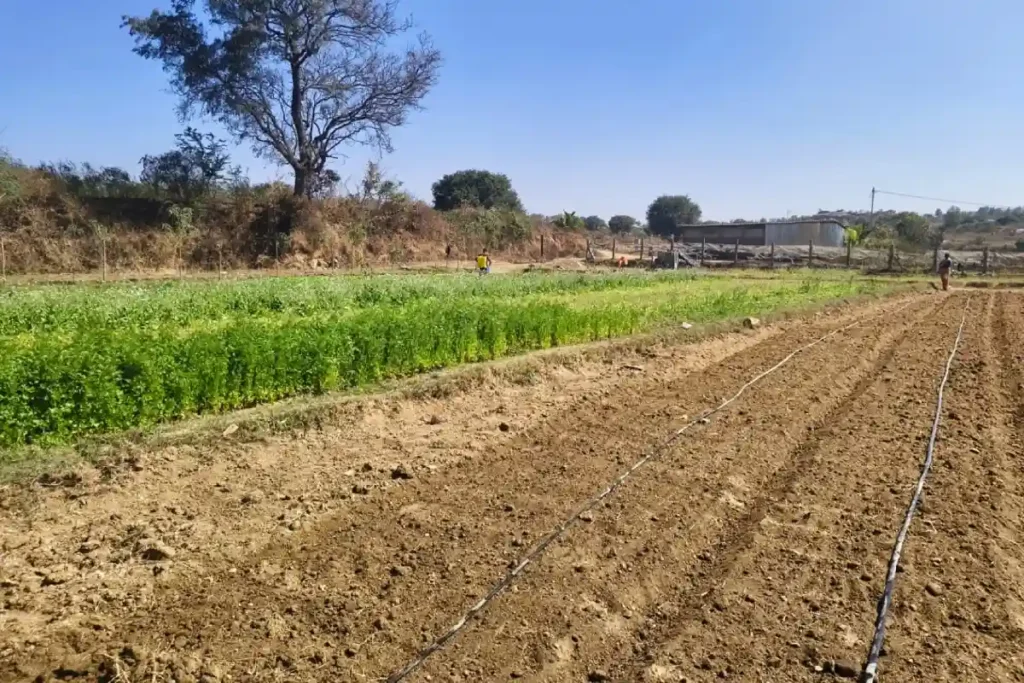
1. Transparency of Inputs: What is Feeding Your Food?
A true organic farm doesn’t hide behind vague marketing terms. They should be transparent about how they nourish the soil. The quality of an organic brinjal or organic radish is a direct reflection of the soil’s health.
- Look for: Mention of traditional, chemical-free fertilizers.
- The “OG” Standard: A genuine farm will be proud to mention their use of panchagavya (a bio-stimulant) and vermicompost (nutrient-rich worm castings). If a site can’t tell you what they use to fertilize their crops, it’s a red flag.
2. Product Variety: Beyond Just the Greens
A holistic organic farm understands that a healthy lifestyle requires more than just vegetables. While leafy greens are essential, a reliable online store should offer a full pantry of staples to support your entire diet.
When browsing, check if they offer:
- Organic Jasmine Rice: For clean, aromatic carbohydrates.
- Organic Semolina: Perfect for wholesome breakfasts.
- Organic Ragi Flour: A nutrient-dense, gluten-free alternative for baking and traditional dishes.
3. Source and Processing of the Grain
In 2026, we’ve returned to our roots by embracing ancient grains. However, the way these grains are handled matters as much as how they are grown.
Take organic finger millet (ragi), for example. At OG Farming, we ensure our ragi is processed traditionally to keep the germ and bran intact. This preserves the calcium and fiber that industrial processing often strips away. Always check if the farm shares details about their traditional processing methods.
4. A Clear and Fair Refund Policy
Freshness is the ultimate priority when shipping perishables. Because organic vegetables like organic spinach or organic green amaranthus don’t contain synthetic preservatives, they have a natural shelf life.
Pro Tip: Reliable stores will have a clear refund policy organic farm statement. You should feel secure knowing that if your organic coriander doesn’t arrive in peak condition, the farm stands by its produce and your satisfaction.
5. Direct Contact: Can You Talk to the Farmer?
One of the best ways to verify authenticity is through communication. Genuine farmers welcome questions.
Can you contact the organic farm directly via chat, email, or phone? Whether you have a question about the spice level of their organic green chili or the harvest cycle of the current organic methi crop, a transparent farm will provide direct, knowledgeable answers.
6. Shipping and Packaging Standards
The “last mile” of delivery is where the quality of organic produce is truly tested. Organic vegetables are delicate; they haven’t been treated with waxes or hardening chemicals to survive weeks in a truck.
Before buying, look for details on their organic product shipping protocols:
- Are organic cluster beans kept in temperature-controlled environments?
- Is the packaging eco-friendly yet sturdy enough to keep organic coriander crisp and vibrant?
- How fast is the turnaround from farm-harvest to your front door?
7. Authentic Flour Options: The Stone-Ground Difference
If you are buying flours online, such as organic jasmine rice flour, check how they are milled. In the quest for speed, modern high-heat mills can “burn” the nutrients out of the grain.
Ensure your supplier offers flours that are stone-ground. This slow, cool grinding process ensures the flour isn’t stripped of fiber or essential oils, providing you with the full nutritional profile of the grain.
Quick Summary Checklist for Your Next Order
| Item to Check | Why it Matters |
| Soil Inputs | Confirms use of vermicompost & panchagavya. |
| Pantry Staples | Look for organic semolina and jasmine rice. |
| Ancient Grains | Ensure organic finger millet ragi is traditionally processed. |
| Accountability | A transparent refund policy protects your investment. |
| Communication | Direct access to the farm for crop-specific questions. |
| Logistics | Fast shipping to keep cluster beans and greens fresh. |
| Milling Method | Prioritize stone-ground flours over industrial heat-processed ones. |
The Bottom Line
Buying organic vegetables online in 2026 is about more than just convenience—it’s about building a relationship with the people who grow your food. By checking for these seven markers, you ensure that the food on your table is as honest, vibrant, and “OG” as nature intended.